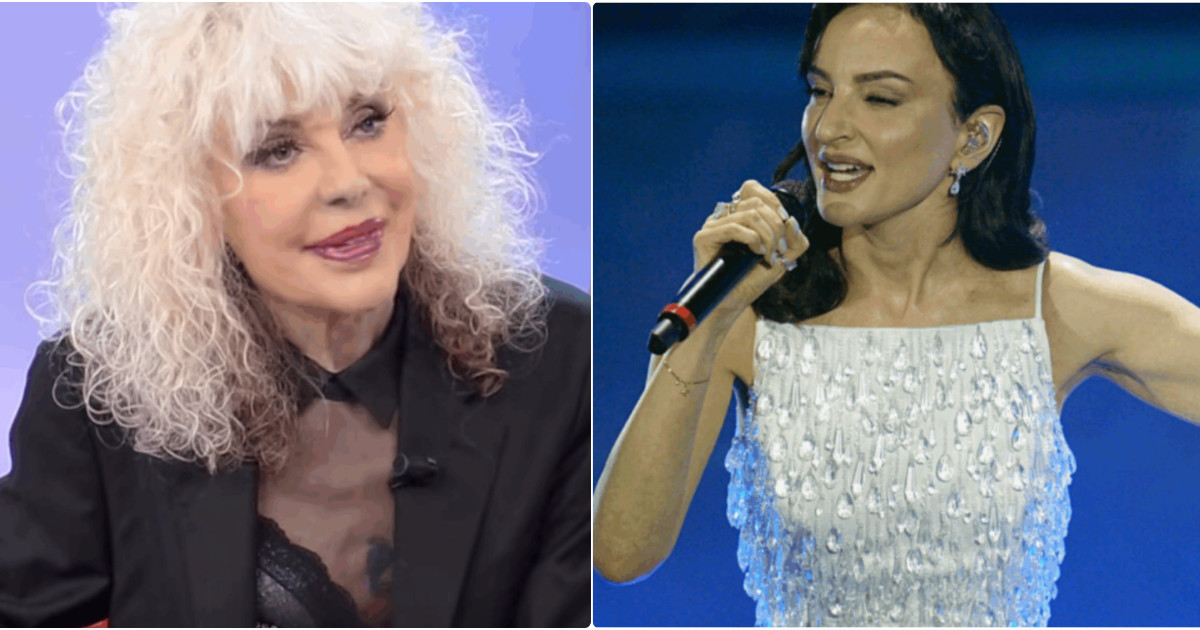
The glittering lights and high stakes of the Sanremo Music Festival often bring with them not just musical triumphs but also unexpected controversies that spill over from the stage to the national conversation. This year, amidst the euphoria surrounding new songs and beloved artists, a comment made by veteran singer Donatella Rettore to the acclaimed Arisa quickly escalated into a heated polemica rettore arisa, igniting a widespread debate about body image and the appropriateness of unsolicited remarks on personal appearance.
The incident, which unfolded on live television during a special Sanremo-week broadcast of Rai 1's "La Volta Buona," has become a flashpoint. While seemingly benign to some, the phrase "Ingrassa, sei troppo magra!" (Gain weight, you're too thin!) uttered by Rettore has resonated deeply across social media platforms, sparking outrage and reigniting discussions on body shaming, even when delivered with what might have been intended as affection.
The Comment That Ignited a Firestorm: What Really Happened at La Volta Buona?
The scene was set during Sanremo week, a period when Italy's cultural spotlight shines brightest on the Ligurian city. "La Volta Buona," hosted by Caterina Balivo, had set up a special glass studio just steps away from the iconic Ariston Theatre, providing a vibrant hub for artists and commentators to discuss the festival's daily developments. Among the esteemed guests and opinionistas was Donatella Rettore, a beloved figure in Italian music, offering her daily insights into the musical extravaganza.
On February 25th, the talented Arisa, whose real name is Rosalba Pippa, was a featured guest. Arisa was enjoying a particularly successful Sanremo, captivating audiences with her song "Magica Favola." Her performance had garnered significant praise, placing her in the top 5 during the initial rankings and receiving widespread acclaim from radio stations and televoters alike. It was a moment of triumph for the artist, filled with positive energy and professional recognition.
As Arisa was concluding her interview and preparing to leave the studio, a seemingly warm exchange took place. Donatella Rettore approached Arisa for a farewell embrace. Arisa, in a gesture of politeness, told Rettore, "Stai bene" (You look good/Be well). Rettore's response, however, took an unexpected turn: "Ciao bellissima, anche tu, e ingrassa che sei troppo magra!" (Hello beautiful, you too, and gain weight because you're too thin!).
Arisa, caught perhaps off guard or simply choosing not to engage, did not visibly react, appearing to "glissare" (gloss over) the comment. However, what transpired in that fleeting moment on live television would not be glossed over by the vast online community. The seemingly innocuous phrase, delivered with what some might interpret as a well-meaning but misguided remark, immediately caught the attention of viewers, setting the stage for the intense polemica rettore arisa that ensued.
The Web Erupts: Why the "Ingrassa" Comment Struck a Nerve
In today's hyper-connected world, public comments, especially those made by prominent figures on live television, rarely go unnoticed. Within minutes of Rettore's remark to Arisa, social media platforms like X (formerly Twitter) and TikTok began to buzz. Users rapidly expressed their disapproval, turning the incident into a major topic of discussion and cementing the term "polemica Rettore Arisa" into the online lexicon.
The overwhelming sentiment among internet users was that comments on a person's physical appearance, regardless of intent, are outdated, inappropriate, and often harmful. Many online commentators articulated a shared exasperation, stating, "I commenti sul peso/aspetto fisico delle persone hanno ampiamente stufato!" (Comments on people's weight/physical appearance have widely become tiresome!). This sentiment highlighted a growing collective fatigue with unsolicited body-related advice, even if framed as a compliment or concern.
What added another layer of sensitivity to this particular incident was Arisa's own history. The singer has, in the past, openly spoken about her complex relationship with her body and body image. Knowing this, many online users found Rettore's comment to be particularly tone-deaf and insensitive, regardless of the affectionate tone it was delivered in. Public figures, they argued, have a greater responsibility to be mindful of their words, especially on such a visible platform. The incident quickly transcended a mere celebrity spat, evolving into a broader conversation about societal norms, empathy, and the pervasive issue of body shaming in all its forms, including "skinny shaming."
This swift and passionate online reaction underscored a significant cultural shift: an increasing demand for respect, personal autonomy over one's body, and an end to judgmental commentary on physical appearance. The digital sphere, while sometimes unforgiving, also serves as a powerful amplifier for collective voices advocating for greater sensitivity and inclusivity.
Beyond the Buzz: Unpacking the Broader Implications of Body Shaming
The polemica rettore arisa serves as a stark reminder that body shaming is not limited to comments about being overweight. "Skinny shaming," or criticizing someone for being perceived as too thin, is equally damaging. While often masked as concern or even a compliment in some cultures (where a fuller figure is traditionally seen as a sign of health or prosperity), such remarks can be just as detrimental to an individual's self-esteem and body image.
The Impact of Unsolicited Comments:
- Psychological Distress: Even seemingly innocuous comments about weight can contribute to anxiety, depression, and body dysmorphia. They reinforce the idea that one's worth is tied to their physical appearance.
- Eating Disorders: Constant scrutiny, whether positive or negative, can exacerbate or trigger disordered eating patterns as individuals strive to meet external expectations.
- Normalizing Judgment: When public figures engage in such comments, it can inadvertently normalize the idea that it's acceptable for anyone to comment on others' bodies, perpetuating a cycle of judgment.
- Erosion of Trust: It can make individuals feel self-conscious and distrustful in social situations, constantly wondering if their appearance is being scrutinized.
The public nature of the Sanremo Festival and its associated broadcasts means that every word spoken by participants carries weight. Celebrities, knowingly or unknowingly, become role models and trendsetters. When a revered icon like Rettore comments on Arisa's physique, it highlights how deeply ingrained body-focused commentary is in our culture, even among those who might believe they are offering kindness.
Practical Advice: Fostering a Culture of Body Positivity
So, how can we, as individuals and as a society, move past this? The answer lies in mindful communication and a commitment to body neutrality or positivity:
- Focus on Actions, Not Appearance: Instead of commenting on someone's body, compliment their achievements, kindness, talent, or personality. For example, "Your performance was amazing!" instead of "You look great, but you should eat more."
- Practice Empathy: Consider that you never know what someone is going through regarding their health, body image, or personal struggles. Your comment, however well-intentioned, could be deeply hurtful.
- Challenge Internalized Biases: Reflect on why you feel the urge to comment on someone's weight or appearance. Are you projecting your own insecurities or societal pressures?
- Educate Others Gently: If you hear someone making an inappropriate comment, gently intervene by saying something like, "Let's focus on their incredible talent instead of their body," or "I think it's best not to comment on people's weight."
- Promote Body Neutrality: Encourage a perspective where bodies are seen as functional vessels, not objects to be constantly judged or altered. This means appreciating what our bodies can do rather than how they look.
Navigating Public Discourse: Lessons from the Rettore-Arisa Controversy
The swift amplification of the polemica rettore arisa demonstrates the formidable power of social media in shaping public discourse. What might have once been a quickly forgotten gaffe now transforms into a global conversation, scrutinizing not just the original comment but also the broader societal values it reflects. This incident underscores several critical lessons for public figures, media outlets, and everyday individuals.
Firstly, the incident highlights the ever-evolving nature of social etiquette. What might have been considered an acceptable, albeit misguided, expression of concern a few decades ago is now rightly perceived as insensitive and harmful. Public discourse is increasingly leaning towards greater inclusivity and respect for personal autonomy, particularly concerning one's body. The immediate and widespread backlash signals a collective demand for higher standards of public interaction.
Secondly, it serves as a powerful reminder of the responsibility that comes with visibility. Those in the public eye, like Donatella Rettore and Arisa, whether on a national stage like Sanremo or a daily talk show, inadvertently become arbiters of what is acceptable speech. Their words carry immense weight and can either reinforce harmful stereotypes or contribute to a more compassionate dialogue. This incident urges all public figures to exercise greater circumspection and empathy in their commentary.
Finally, the controversy illustrates the dual nature of social media. While it can be a breeding ground for negativity and "cancel culture," it also provides an invaluable platform for marginalized voices and collective action. In this instance, it allowed countless individuals to voice their frustrations against unsolicited body commentary, transforming a celebrity gaffe into a significant cultural moment that pushed for a more respectful and understanding society.
Conclusion
The "Ingrassa" comment by Donatella Rettore to Arisa, sparked amidst the vibrant backdrop of the Sanremo Music Festival, quickly transcended a simple gaffe, becoming a touchstone for a broader societal discussion. The rapid online reaction to this polemica rettore arisa underscored a collective exhaustion with unsolicited body comments and a clear demand for greater sensitivity and respect in public discourse. While the intent behind Rettore's words may have been affectionate, the outcome serves as a potent reminder that even seemingly innocuous remarks about physical appearance can carry significant weight and cause harm. As we navigate an increasingly interconnected world, this incident encourages us all—from public figures to everyday citizens—to cultivate a culture of empathy, mindful communication, and unwavering support for body positivity and personal autonomy, ensuring that our words uplift rather than diminish.