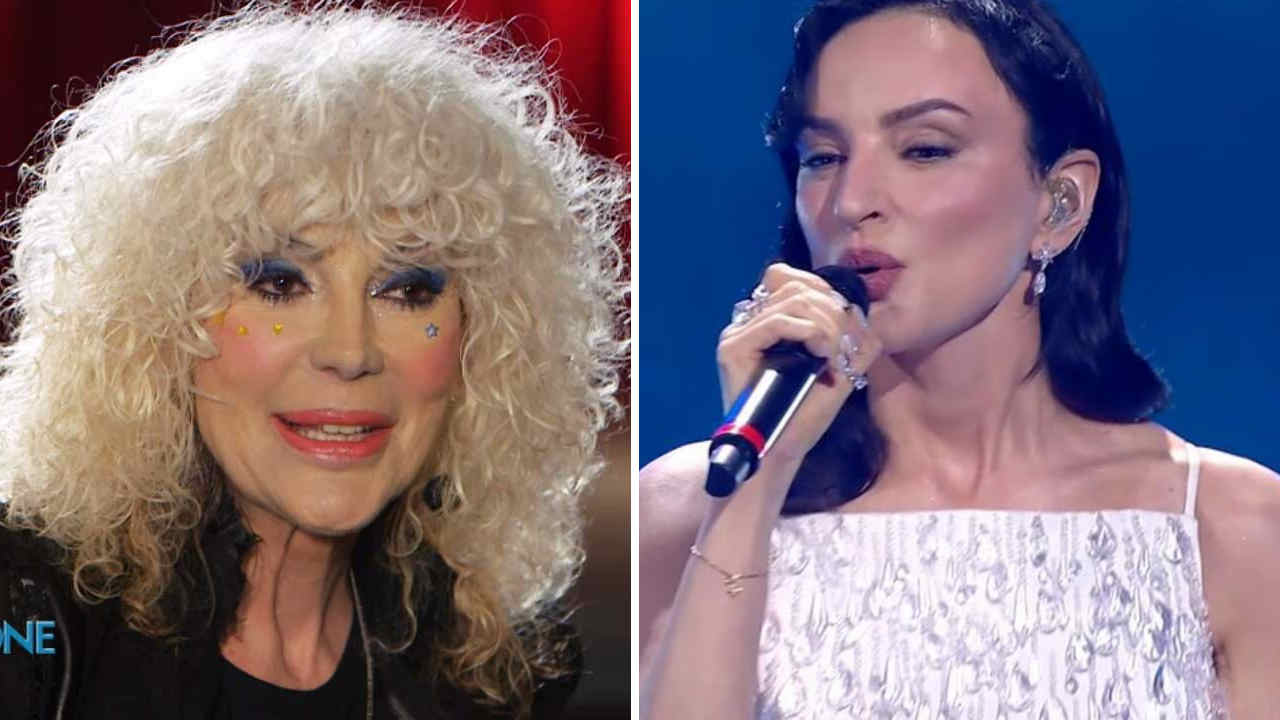
The Unfolding Debate: Donatella Rettore's Arisa Comment Sparks Online Firestorm
The glittering stage of the Sanremo Music Festival often sets the scene for memorable performances and heartfelt music. However, sometimes, the surrounding commentary ignites a different kind of spark. Such was the case during a recent broadcast of "La Volta Buona," Rai 1's popular afternoon show hosted by Caterina Balivo, which was heavily featuring insights from the Sanremo week. A seemingly innocuous, yet ultimately controversial, remark by veteran singer Donatella Rettore directed at the acclaimed artist Arisa has become the focal point of a heated online polemica rettore arisa, drawing widespread attention to the pervasive issue of body shaming.
The incident, which swiftly went viral across social media platforms like X (formerly Twitter) and TikTok, saw the web community rise in near-unanimous disapproval. At the heart of the matter was Rettore's parting comment to Arisa: "Ingrassa, sei troppo magra!" – "Gain weight, you're too thin!" While perhaps intended as a casual or even affectionate observation, the public reception was anything but. This single phrase has reopened vital conversations about unsolicited comments on physical appearance, the impact of public figures' words, and the urgent need for a more body-positive discourse.
"Ingrassa, Sei Troppo Magra!": The Incident at "La Volta Buona"
The scene unfolded on February 25th, amidst the festive atmosphere surrounding the Sanremo Festival. "La Volta Buona" was broadcasting live from a special glass studio set up just steps away from the iconic Ariston Theatre, providing daily updates and hosting many of the festival's protagonists. Donatella Rettore, a fixed opinionist on the show, was on hand to offer her daily takes on the musical extravaganza.
Among the celebrated guests was Arisa, whose real name is Rosalba Pippa, captivating audiences with her new track, "Magica Favola." Her performance had garnered significant acclaim, placing her in the top five of the initial rankings and receiving strong support from radio listeners and televoting audiences alike. It was, as many described, a truly "magical moment" for the artist, who also received compliments from an icon of Italian music like Rettore.
However, as Arisa prepared to leave the studio after her interview, a seemingly warm exchange took a sharp turn. As she bid farewell to Rettore, Arisa said, "Stai bene" (You look good/Be well). Rettore embraced her colleague and replied, "Ciao bellissima, anche tu, e ingrassa che sei troppo magra!" Arisa's reaction in the moment appeared to be one of quiet deference, choosing not to respond directly to the comment and instead glissing over it. Yet, what might have been a fleeting remark in a live broadcast quickly became a major talking point online, igniting the fierce polemica rettore arisa.
The Nuance of Intent vs. Impact in Public Discourse
It's plausible that Donatella Rettore's comment was not made with malicious intent. Given the context of an affectionate embrace, it might have been an off-the-cuff remark, perhaps even rooted in a misguided sense of care or a generational tendency to comment on others' appearances. However, in the realm of public discourse, especially coming from a prominent figure on national television, intent often takes a backseat to impact. The words were delivered publicly, to a public figure, and immediately interpreted through the lens of modern sensibilities regarding body image and personal boundaries.
This incident serves as a poignant reminder that even seemingly 'harmless' comments about someone's weight or physique can carry significant weight and contribute to a culture where individuals feel scrutinized and judged based on their appearance. For Arisa, who has openly discussed her complex relationship with her body in the past, such a comment, regardless of its underlying intention, could be particularly sensitive and unwelcome.
The Web Erupts: A Chorus Against Body Shaming
Within minutes of the live broadcast, social media platforms became a hotbed of discussion and condemnation. Users on X and TikTok expressed widespread disappointment, labeling Rettore's comment as "out of place" and "unacceptable," particularly given the public platform. The prevailing sentiment was encapsulated by numerous posts echoing, "I commenti sul peso/aspetto fisico delle persone hanno ampiamente stufato!" (Comments on people's weight/physical appearance have become thoroughly tiresome!).
Many users highlighted the problematic nature of commenting on someone's body, irrespective of whether the comment suggests they are "too thin" or "too fat." Both forms of commentary fall under the umbrella of body shaming and contribute to unrealistic beauty standards and self-esteem issues. The online community was quick to point out that Arisa's past openness about her struggles with body image and societal pressures made Rettore's remark even more tone-deaf and potentially damaging. This strong collective reaction underscored a growing public awareness and intolerance for unsolicited remarks about personal appearance, especially when made by those in positions of influence.
The polemica rettore arisa became a prime example of how quickly and forcefully the internet can react to perceived injustices, especially concerning issues like body shaming that affect a vast segment of the population. It underscored that while celebrity culture often involves public scrutiny, there are clear lines that should not be crossed, particularly regarding personal physical attributes.
Beyond the Comment: Understanding the Broader Impact of Body Shaming
The online fervor surrounding the "polemica rettore arisa" is more than just a momentary celebrity spat; it's a reflection of a deeper societal discomfort with the persistent scrutiny of physical appearance. Unsolicited comments about weight, shape, or size – whether seemingly positive or overtly negative – contribute to a culture of judgment and comparison that can have profound psychological effects. These include:
- Erosion of Self-Esteem: Constant commentary, even if disguised as concern, can chip away at an individual's confidence and self-worth.
- Development of Body Image Issues: Remarks can exacerbate existing insecurities or even trigger body dysmorphia and unhealthy eating patterns.
- Increased Anxiety and Stress: The pressure to conform to societal ideals of beauty can lead to significant mental health challenges.
- Perpetuation of Harmful Stereotypes: By focusing on appearance, we inadvertently diminish a person's talents, intelligence, and contributions to society.
Public figures, particularly those in the entertainment industry, often face immense pressure to maintain certain looks. When fellow celebrities or media personalities make remarks about appearance, it reinforces these pressures and normalizes the idea that one's body is a topic open for public discussion and criticism. This incident serves as a crucial reminder that personal choices regarding one's body are private and should be respected. The media, and those who appear on it, play a pivotal role in shaping societal norms. Promoting respectful dialogue and focusing on individuals' talents and accomplishments, rather than their physical attributes, is essential for fostering a healthier, more inclusive environment for everyone.
Fostering a Culture of Respect: Practical Steps Towards Body Positivity
The "polemica rettore arisa" has provided a stark illustration of why we need to be more mindful of our words when it comes to body image. Moving forward, both individually and collectively, we can work towards a more respectful and body-positive culture. Here are some practical steps:
- Think Before You Speak: Before making a comment about someone's appearance, ask yourself: Is it kind? Is it necessary? Is it true? If the answer isn't a resounding 'yes' to all three, it's best left unsaid.
- Focus on Qualities, Not Appearance: Instead of complimenting someone's weight loss or gain, praise their achievements, their intelligence, their humor, or their kindness. Celebrate what truly matters and contributes to their character.
- Practice Empathy: Understand that everyone has their own journey and struggles with their body. You never know what battles someone might be fighting internally.
- Challenge Societal Norms: Actively question and resist diet culture, unrealistic beauty standards, and media portrayals that promote a single, narrow ideal of beauty. Advocate for diversity and inclusivity in all forms.
- Educate Yourself and Others: Learn about the harmful effects of body shaming and fatphobia. Share this knowledge with friends, family, and colleagues to raise awareness.
- Model Positive Behavior: Be conscious of your own language, not just about others, but about yourself. Avoid self-deprecating remarks about your body, as this can inadvertently normalize such negativity for those around you.
- Support Body-Positive Initiatives: Engage with and promote content that champions body diversity, self-acceptance, and mental well-being over superficial physical standards.
Conclusion: A Call for Mindful Dialogue
The online debate sparked by Donatella Rettore's comment to Arisa during "La Volta Buona" serves as a powerful reminder of the ongoing struggle against body shaming and the crucial need for respectful public discourse. While the immediate focus was on the "polemica rettore arisa," the broader conversation it ignited underscores a collective desire for a society where individuals are celebrated for who they are, not for how they look. This incident, while uncomfortable, has presented a valuable opportunity for reflection on our words, our attitudes, and the pervasive impact of unsolicited commentary on physical appearance. As we move forward, let us collectively strive to foster an environment of empathy, understanding, and unconditional acceptance, where everyone feels safe and respected in their own skin, free from judgment and unnecessary scrutiny.